


AI Tools for Outdoor Brands: ChatGPT for Product Descriptions, Image Generation, and Content That Sells Adventure
Outdoor marketing moves fast. Seasons change, ad angles burn out, and your product pages still need to sound like you. This is where AI tools for outdoor brands come in.
Key takeaways
- ChatGPT product descriptions work best when you provide a structured brief: specs, use cases, personas, and proof.
- AI images are ideal for concepting and campaign variations, not for replacing real product photography.
- A simple review workflow ensures claims are accurate and protects customer trust.
ChatGPT outdoor product copy: start with a real brief
If you simply ask ChatGPT to "write a product description," you’ll likely get something generic. Instead, provide it with specific information.
What to include in your product brief
- Correct specs: materials, weight, dimensions, sizing, care, compatibility
- 3 use cases tied to conditions: rain, wind, heat, altitude
- Audience: who buys it and what they care about
- Proof: warranty details, testing, review themes
A clean workflow for product descriptions
- AI drafts long-form PDP copy focused on benefits and conditions.
- AI creates variations for different channels: Amazon bullets, short PDPs, A+ text, 30-word email blocks, ad hooks.
- Human review checks measurements, claims, and compliance language.
- Final edit for voice and clarity.
Prompt you can reuse today
Prompt:
"Write copy using the product brief below. Deliver:
A) 180–220 word PDP description,
B) 5 Amazon bullets,
C) 8 one-sentence ad angles.
Tone: professional, direct, slightly friendly. Avoid hype. Use ‘ChatGPT outdoor product copy’ once naturally. Add one short rhetorical question.”
Adventure marketing AI content: sell the scenario, verify the facts
Outdoor customers make decisions with both their head and their heart. They compare details and then imagine the moment: cold hands at dawn, a fast setup when the weather flips, or a hike that turns into a grind.
AI is great for quickly generating scenario-based angles. From there, ground those angles with specifics and honest trade-offs. For example, warmth vs. packability, durability vs. weight, or setup speed vs. storm-worthiness. People respect clarity and transparency.
AI image generation for outdoor brands: use it like a creative lab
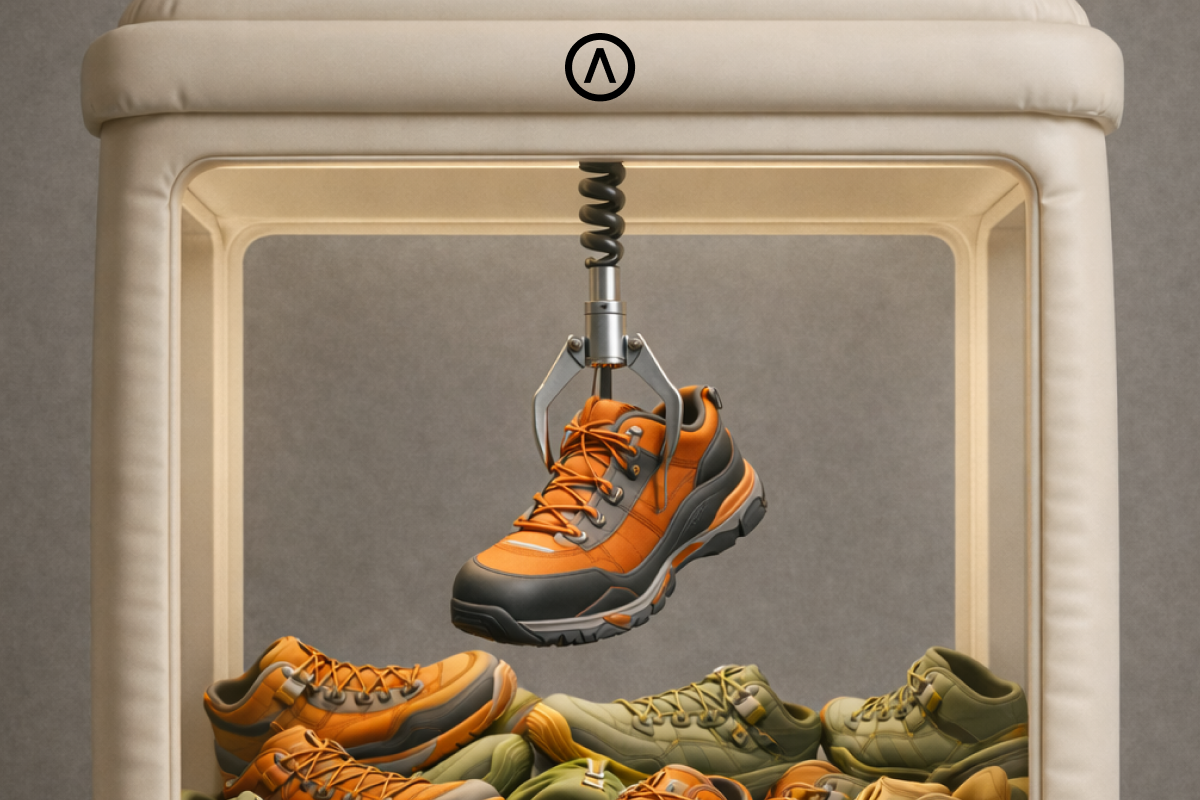
AI image generation works best upstream, before you finalize your creative.
Where AI images help most
- Mood boards for seasonal campaigns, palettes, lighting, and terrain.
- Rapid concepting for ad backgrounds, banners, and blog headers.
- Exploring creative directions before a photoshoot.
Where to be careful
- Avoid PDP or Amazon visuals that imply features that are not real.
- “Photoreal” lifestyle scenes that look like actual photography can be misleading.
- Be cautious with unsafe depictions (risk, wildlife, exposure) that could create liability.
Quick rule: If the image affects purchase trust, always use real assets.
A simple AI workflow that scales across channels
- Collect inputs: reviews, returns, support tickets, and Q&A. Let AI summarize themes.
- Create one hero narrative: a launch angle or problem-solution theme.
- Repurpose with intent: turn the narrative into a blog section, email, 6 captions, and 3 ad scripts.
- Loop performance back in: winning hooks become new bullets and creative tests.
This is where a 360 partner helps. When paid media, Amazon, SEO, CRO, and creative share the same insights, content becomes a revenue system, not just a posting schedule.
SEO and AI snippets: write for answers
To get pulled into AI snippets, structure your content:
- Define terms early.
- Use question-style headings buyers search for.
- Keep answers concise and specific.
- Add FAQs that respond in 2–4 sentences.
Frequently Asked Questions
What are the best AI tools for outdoor brands?
Start with ChatGPT for product copy, outlines, and email drafts. Add an image generator for concepts and campaign variations. Keep a human editor involved to ensure accuracy.
How do I write better product pages with ChatGPT?
Use a structured brief with real specs, use cases, audience, and proof points. Ask for channel-specific versions, then verify measurements and claims before publishing.
Can AI help with adventure marketing AI content?
Yes. It’s great for brainstorming angles and drafting variations quickly. Your job is to ground those angles in real product performance and clear trade-offs.
Will AI-written content hurt SEO?
Helpful, accurate content performs best. AI can speed up production, but rankings still depend on usefulness, structure, and credibility.
Conclusion
AI can speed up content production, but speed alone won’t grow an outdoor brand. Accuracy, clarity, and consistency are what turn content into sales.
If you want help building an AI-powered workflow across Amazon, DTC, paid media, SEO, and CRO, book a call with our team at Algofy Outdoors.
Are you ready to grow?
At Algofy Outdoors, we partner with amazing outdoor brands to provide 360° digital marketing solutions.
.png)
