

How to Launch an Outdoor Gear Brand on Amazon in 2026: From First Unit to Page 1
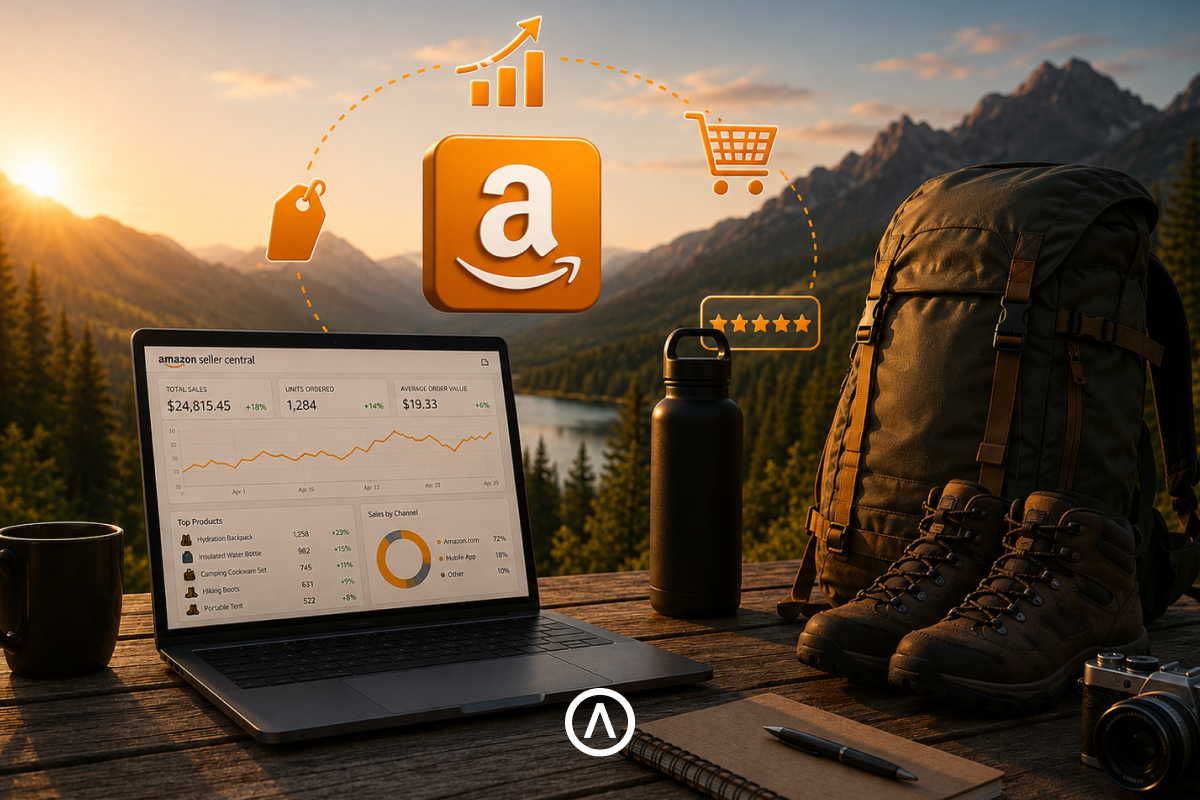
Launching an outdoor gear brand on Amazon sounds simple at first. Create a seller account, upload a product, ship inventory, and wait for orders. But anyone who has sold gear knows it is rarely that clean.
A hydration pack, camping stove, dry bag, daypack, or trail accessory has to do more than exist on Amazon. It needs to show up in the right searches, answer customer questions quickly, earn trust through images and reviews, and stay profitable after fees, ads, returns, and inventory costs.
For outdoor brands, the challenge is even more specific. Your buyer may be a parent shopping for a school hiking pack, a weekend camper replacing old gear, or a serious trail user comparing small details before buying. That means your Amazon launch needs structure from day one.
Key Takeaways
A successful Amazon launch in 2026 starts before your first unit goes live. Outdoor gear brands need clear positioning, optimized product listings, smart pricing, reliable fulfillment, controlled inventory, and a ranking strategy that combines organic relevance with paid visibility. The goal is not simply to launch. The goal is to build enough momentum to move from first sale to Page 1 potential.
Step 1: Validate Your Product Before You List It
Before sending inventory to Amazon, confirm that your product has a real place in the market.
Start with competitor research. Look at products ranking for your target keywords. What do their titles emphasize? What complaints appear in reviews? Are buyers asking for better durability, lighter materials, more storage, easier cleaning, or clearer sizing?
This is where outdoor brands can find useful gaps. Maybe shoppers love a competitor’s daypack but complain about weak zippers. Maybe a camping accessory has strong demand but poor images. Maybe a hydration product has reviews asking for better fit details.
Your launch should answer those gaps directly.
Step 2: Build a Listing That Matches Search Intent
Your Amazon listing is your storefront, sales pitch, and trust builder in one place.
A strong product listing should include:
- A clear, keyword-led title
- Benefit-focused bullet points
- Accurate specs and dimensions
- Lifestyle and product-detail images
- Comparison visuals where useful
- A product description that explains use cases clearly
- A+ Content once eligible
For example, a vague title like “Outdoor Backpack” will struggle. A stronger title may include the product type, capacity, use case, and key feature, such as “25L Lightweight Hiking Daypack with Hydration Pocket.”
The goal is not keyword stuffing. The goal is relevance. Amazon needs to understand your product, and customers need to know why it fits their trip, trail, or routine.
Step 3: Get Pricing Right From the Start
Pricing is one of the easiest places to lose margin.
Outdoor gear often carries added costs: durable materials, packaging, shipping weight, warranty expectations, seasonal demand swings, and returns. Before launch, calculate your landed cost, referral fees, fulfillment costs, ad budget, and target profit margin.
Amazon’s FBA model lets sellers outsource storage, picking, packing, shipping, returns, and customer service to Amazon, but the cost depends on the product’s size, weight, storage needs, and services used. Amazon also recommends estimating costs before assigning products to FBA.
A lower launch price can help create early traction, but it should still support your long-term unit economics. A product that wins orders but loses money is not a launch strategy. It is a leak.
Step 4: Choose the Right Fulfillment Model
Most outdoor gear brands compare two main options: FBA and FBM.
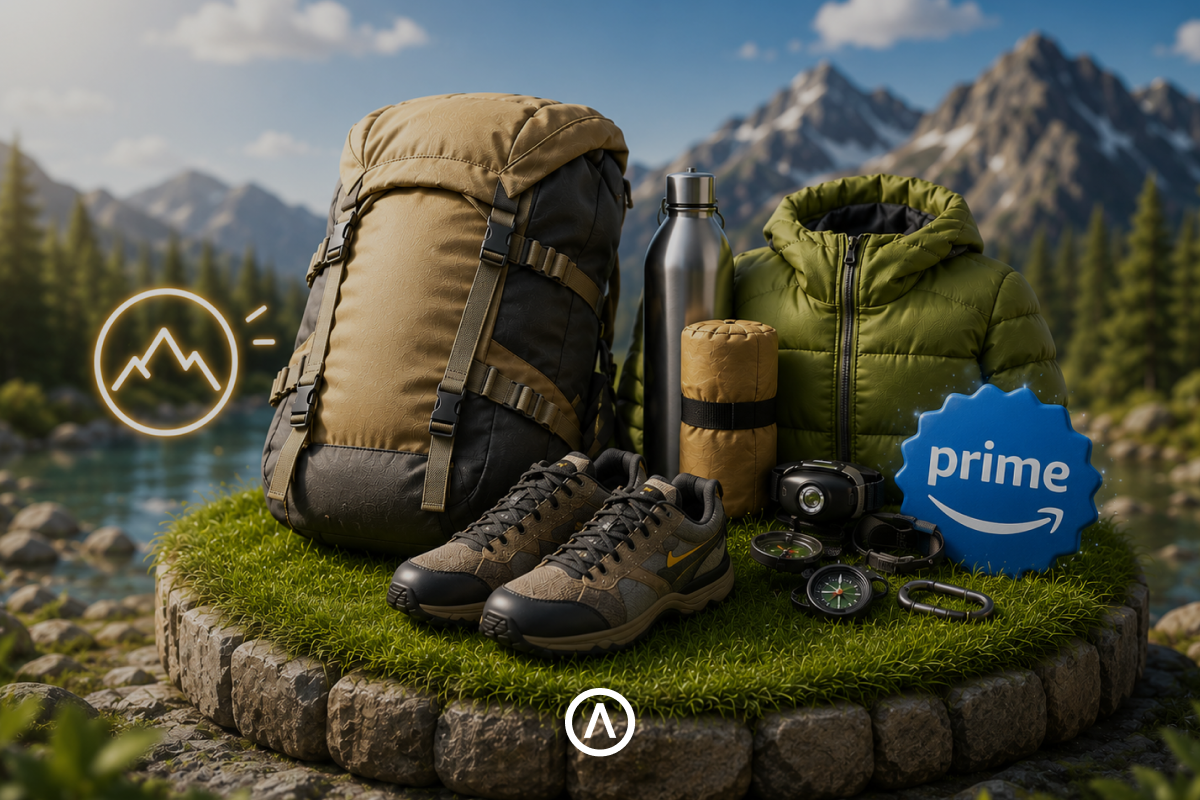
FBA can be useful when speed, Prime eligibility, and customer convenience matter. For products with steady demand and manageable storage costs, it can support faster scaling. Amazon explains that FBA allows sellers to send products into its fulfillment network, while Amazon picks, packs, ships, and handles customer service and returns.
FBM can make sense for oversized, heavy, custom, or low-volume products where direct control is more important.
There is no universal answer. A compact camp accessory may be a strong FBA fit. A large, bulky gear item may need a different plan. Look at cost, speed, customer expectations, and your ability to manage operations.
Step 5: Plan Inventory Like a Launch Asset
Inventory can make or break early momentum.
Running out of stock too soon can slow ranking progress. Overstocking can trap cash and increase storage pressure. For a new outdoor gear brand, the better approach is to forecast conservatively, monitor demand closely, and create reorder triggers before launch.
Seasonality matters too. Outdoor gear demand often moves around spring, summer travel, back-to-school, fall camping, holiday gifting, and Prime events. If your product is seasonal, your launch calendar should reflect that.
For related planning, Algofy’s guide on Prime Day outdoor gear strategy is a useful reference for thinking through promotional timing and buyer demand.
Step 6: Use PPC to Create Early Visibility
Even a strong listing can sit quietly without traffic.
Amazon PPC helps your product appear for relevant searches while your organic ranking is still developing. Start with a controlled structure:
- Sponsored Products for core search terms
- Exact match campaigns for high-intent keywords
- Phrase and broad match campaigns for discovery
- Product targeting for competitor and complementary listings
- Negative keywords to reduce wasted spend
Early PPC is about learning. Which terms convert? Which clicks waste budget? Which product images improve click-through? Which price point holds conversion?
This is where a data-driven launch system matters. Algofy Outdoors works with outdoor brands across Amazon, paid media, SEO, creative, and CRO, helping teams connect the full funnel instead of managing each channel in isolation.
Step 7: Build Trust With Reviews and Better Content
Amazon shoppers are careful, especially with outdoor gear. They want to know the product will hold up outside.
Use every trust-building asset available:
- Clear product photography
- Size and fit visuals
- Use-case images
- Warranty or care information
- Honest bullet points
- Helpful FAQs
- Review generation programs that follow Amazon policy
Do not exaggerate. If a dry bag is water-resistant, say that. If it is built for light hiking, do not frame it like expedition gear. The fastest way to lose trust is to oversell and underdeliver.
Step 8: Optimize After Launch
The first version of your listing is rarely the final version.
After launch, review your search term reports, conversion rate, click-through rate, reviews, questions, and inventory movement. If customers keep asking the same question, answer it in the listing. If a keyword gets clicks but no sales, adjust bids or pause it. If a feature keeps appearing in positive reviews, move it higher in your bullets or images.
Amazon growth is iterative. Launch, learn, adjust, repeat.
FAQs
How long does it take to rank on Page 1 on Amazon?
There is no fixed timeline. Ranking depends on competition, keyword relevance, sales velocity, conversion rate, reviews, pricing, inventory availability, and ad performance. A focused launch plan can improve your chances, but Page 1 takes consistent optimization.
What should outdoor brands prioritize before launching on Amazon?
Prioritize product-market fit, listing quality, margin math, fulfillment planning, inventory forecasting, PPC structure, and review strategy. Skipping these basics usually creates problems later.
Is FBA always better for outdoor gear brands?
No. FBA can work well for compact, fast-moving products, but FBM may be better for large, heavy, custom, or slower-moving gear. The right choice depends on cost, customer expectations, and operational control.
How important are images for outdoor gear listings?
Very important. Outdoor buyers want to understand scale, materials, features, fit, and real-world use. Strong visuals can reduce hesitation and improve conversion.
Conclusion
Launching an outdoor gear brand on Amazon in 2026 is not about getting a product online and hoping the algorithm catches up. It is about building a clear path from first unit to first sale, then from first sale to stronger visibility.
Start with the fundamentals: a validated product, optimized listing, clean pricing model, reliable fulfillment, smart inventory, PPC support, and ongoing testing. Then keep refining.
If your outdoor brand is preparing to launch or scale on Amazon, book a call with our team and build a launch system designed for visibility, efficiency, and long-term growth.
Are you ready to grow?
At Algofy Outdoors, we partner with amazing outdoor brands to provide 360° digital marketing solutions.
.png)
